Educational Compendium of Botanical Constituents
Exploring the knowledge base of natural components and lifestyle factors for men in the mature phase
Educational content only. No services. No promises of outcomes.
As men enter the mature phase of life, typically defined as the period beginning around the fourth decade, numerous physiological processes undergo natural transitions. This educational resource explores the intersection of botanical knowledge, nutritional science, and lifestyle factors that have been studied and discussed in various cultural contexts throughout history.
The concept of wellness in maturity is multifaceted, encompassing physical vitality, mental clarity, and the maintenance of daily energy levels. Various traditions worldwide have developed knowledge systems around the use of plant-based compounds and dietary patterns that align with the changing needs of the aging body.
This compendium serves purely as an informational reference, presenting established knowledge about natural constituents, their historical applications, and the broader context of lifestyle harmonization during the mature years.
Botanical constituents can be broadly classified into several categories based on their chemical structures and traditional applications. Understanding these classifications provides context for how different plant compounds have been historically utilized across cultures.

Naturally occurring compounds found in plants that have been studied for their various biochemical properties. These include flavonoids, carotenoids, and polyphenols present in fruits, vegetables, and herbs.
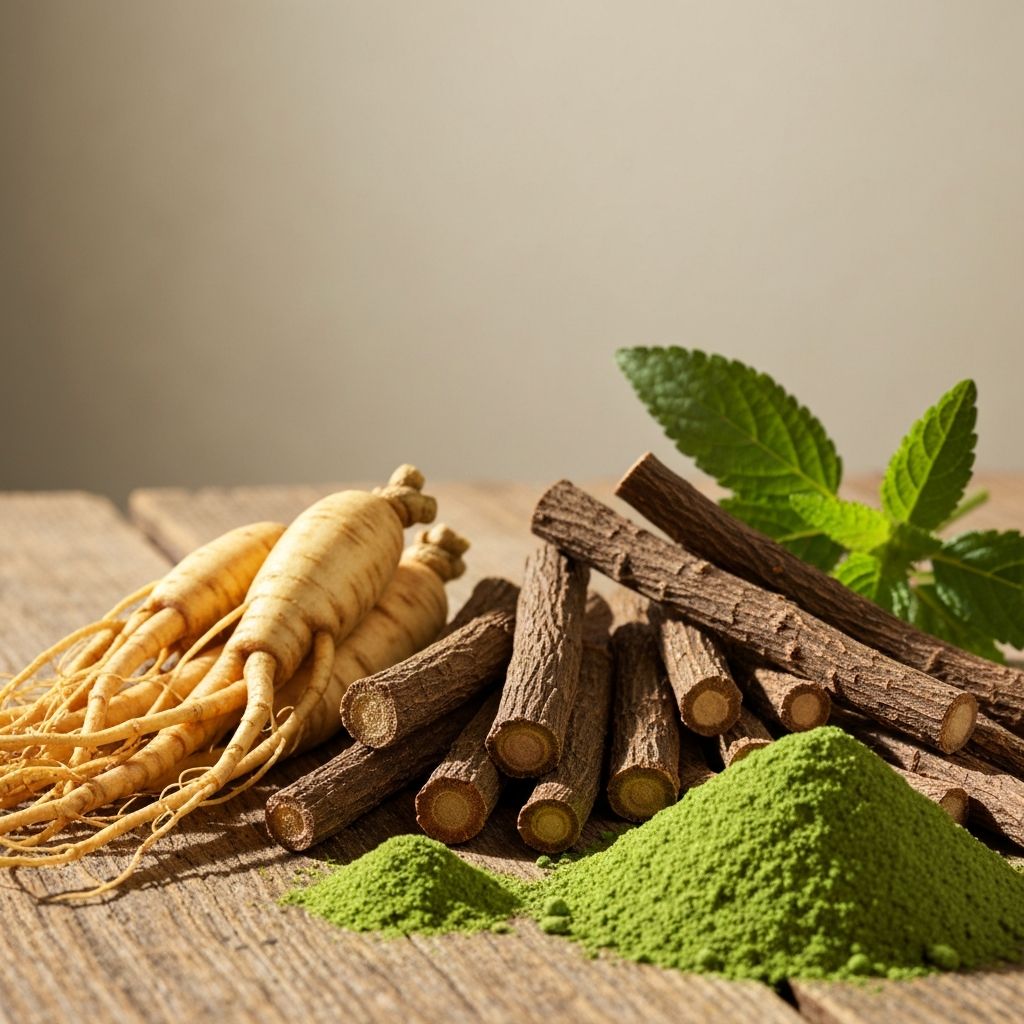
A category of botanical substances traditionally used in various medicinal systems, particularly in Asian and Eastern European traditions. Examples include ginseng, rhodiola, and ashwagandha.

Compounds such as omega-3 and omega-6 fatty acids found in fish oils, flaxseed, and certain nuts. These are recognized as essential components of human nutrition.
Micronutrients are vitamins and minerals required by the body in small quantities for various physiological functions. For men in the mature phase, certain micronutrients have received particular attention in nutritional science literature.
Zinc is an essential mineral involved in numerous enzymatic processes. It is found in oysters, red meat, poultry, beans, and nuts. Nutritional science recognizes zinc as a component of hundreds of enzyme systems.
Selenium is a trace element present in Brazil nuts, seafood, and whole grains. It functions as a component of selenoproteins and has been studied in the context of antioxidant processes.
Magnesium participates in over 300 biochemical reactions in the body. Dietary sources include leafy greens, nuts, seeds, and whole grains. It is involved in energy production and protein synthesis.

Throughout human history, various cultures have developed extensive knowledge systems regarding the use of botanical substances. Traditional Chinese herbalism, Ayurvedic practices from India, and European folk traditions all include references to specific plants used in the context of vitality and longevity.
Ginseng (Panax ginseng) has been utilized in East Asian traditions for millennia. Historical texts describe its use as a tonic, though modern understanding focuses on its ginsenoside content and various biochemical properties.
Saw Palmetto (Serenoa repens) is a small palm tree native to the southeastern United States. Native American tribes historically used the berries, and later European settlers adopted similar practices.
Tribulus terrestris appears in both traditional Chinese and Ayurvedic texts. The plant contains various saponins and has been the subject of contemporary phytochemical research.
Bio-availability refers to the proportion of a nutrient or compound that enters circulation when introduced into the body and is thus able to have an active effect. This concept is fundamental in nutritional science and phytochemistry.
Several factors influence bio-availability: the chemical form of the substance, the presence of other dietary components, individual digestive capacity, and the method of preparation or extraction. For instance, fat-soluble vitamins require dietary fats for optimal absorption, while certain minerals may compete for absorption pathways.
Traditional preparation methods often unknowingly optimized bio-availability. Fermentation, cooking, and combining specific ingredients can enhance or inhibit the absorption of various compounds. Modern extraction techniques, such as supercritical CO2 extraction or standardization to specific marker compounds, represent contemporary approaches to managing bio-availability.
Contemporary living patterns present various challenges that differ significantly from the environments in which human physiology evolved. Understanding these factors provides context for discussions about lifestyle harmonization.

Modern occupations often involve prolonged sitting and reduced physical movement compared to historical patterns of human activity. Research in physiology documents various consequences of reduced movement.
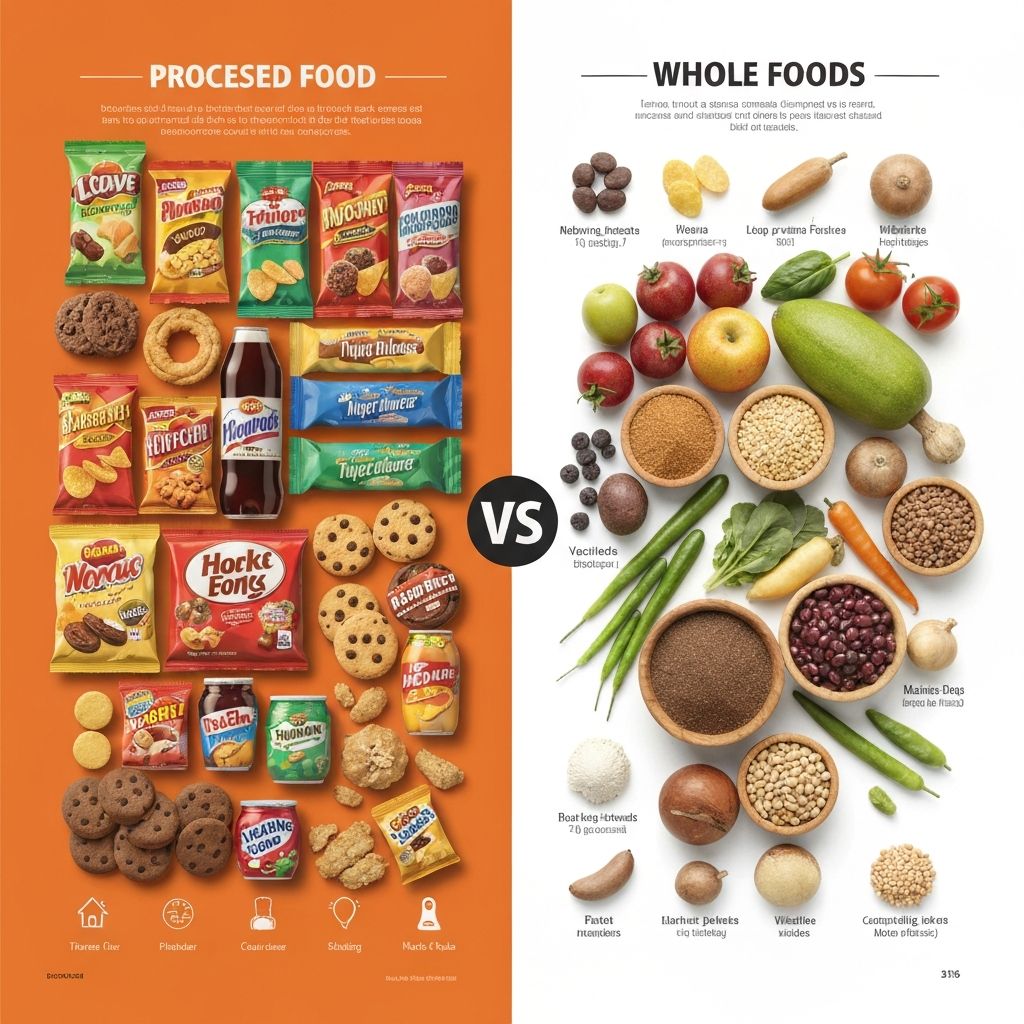
The industrialization of food production has led to changes in nutrient density, processing methods, and the availability of fresh, whole foods. Nutritional epidemiology explores these transitions.

Urban environments, artificial lighting, noise pollution, and altered sleep-wake cycles represent departures from ancestral living conditions. These factors have been studied in various fields.
Various lifestyle factors have been identified through observational research and traditional wisdom as potentially relevant to maintaining vitality during the mature years. These represent patterns observed in populations rather than prescriptive recommendations.
Physical Movement: Regular physical activity is widely recognized in exercise physiology literature. Different traditions emphasize various forms, from resistance training to yogic practices to walking.
Dietary Patterns: Mediterranean, traditional Japanese, and other dietary patterns associated with longevity in population studies share common features: emphasis on whole foods, moderate portions, and diverse plant-based components.
Rest and Recovery: Sleep science has documented the importance of circadian rhythm alignment and adequate rest periods for various physiological processes including cellular repair and cognitive function.

Beyond nutrition and physical activity, various environmental and social factors appear in research literature related to well-being in mature populations.
Social connectedness and community involvement have been identified in demographic studies of populations with exceptional longevity. The precise mechanisms remain subjects of ongoing research, but correlations between social engagement and various health markers have been documented.
Environmental exposure to nature, often termed "forest bathing" in Japanese tradition (shinrin-yoku), has been studied for its associations with markers related to the nervous system and overall sense of well-being.
Purpose and engagement in meaningful activities appear in psychological research on aging populations. While causation is complex, correlative data suggests links between sustained engagement and various quality-of-life measures.

This compendium has presented an overview of botanical constituents, micronutrients, and lifestyle factors that intersect with the experience of maturity in men. The information draws from diverse sources including traditional knowledge systems, nutritional science, phytochemistry, and population research.
Key areas covered include the classification of plant compounds, the role of essential micronutrients, historical uses of specific botanicals, principles of bio-availability, contemporary lifestyle challenges, and patterns observed in populations that maintain vitality into advanced years.
The field of phytonutrients continues to evolve as analytical chemistry provides increasingly sophisticated tools for identifying and characterizing plant compounds. Similarly, nutritional epidemiology generates ongoing data about dietary patterns and population outcomes.

This resource presents educational information about botanical constituents, micronutrients, and lifestyle factors in the context of men's wellness during the mature phase. The content is compiled from various sources including traditional knowledge systems, published research, and historical documentation.
Nature of Information: All material presented here is informational and educational in nature. It describes concepts, historical uses, and observational patterns rather than providing individualized guidance or recommendations.
Diversity of Approaches: Human health and well-being are influenced by countless factors that vary substantially between individuals. What constitutes appropriate choices differs based on individual circumstances, genetic factors, existing conditions, and numerous other variables.
No Substitution for Personal Decisions: The information in this compendium does not replace individual decision-making processes or consultations with qualified professionals when specific guidance is sought.
Research Limitations: Scientific understanding of botanical compounds and their interactions with human physiology is continuously evolving. Current knowledge represents a snapshot that may be refined or revised as new information emerges.
Individual Variation: Responses to dietary constituents, lifestyle factors, and botanical compounds vary significantly between individuals due to genetic differences, existing health status, concurrent substance use, and many other factors.
This resource provides foundational information about botanical constituents and lifestyle factors. We invite you to explore additional sections to deepen your understanding of these topics.
Learn About This Resource Informational Inquiries